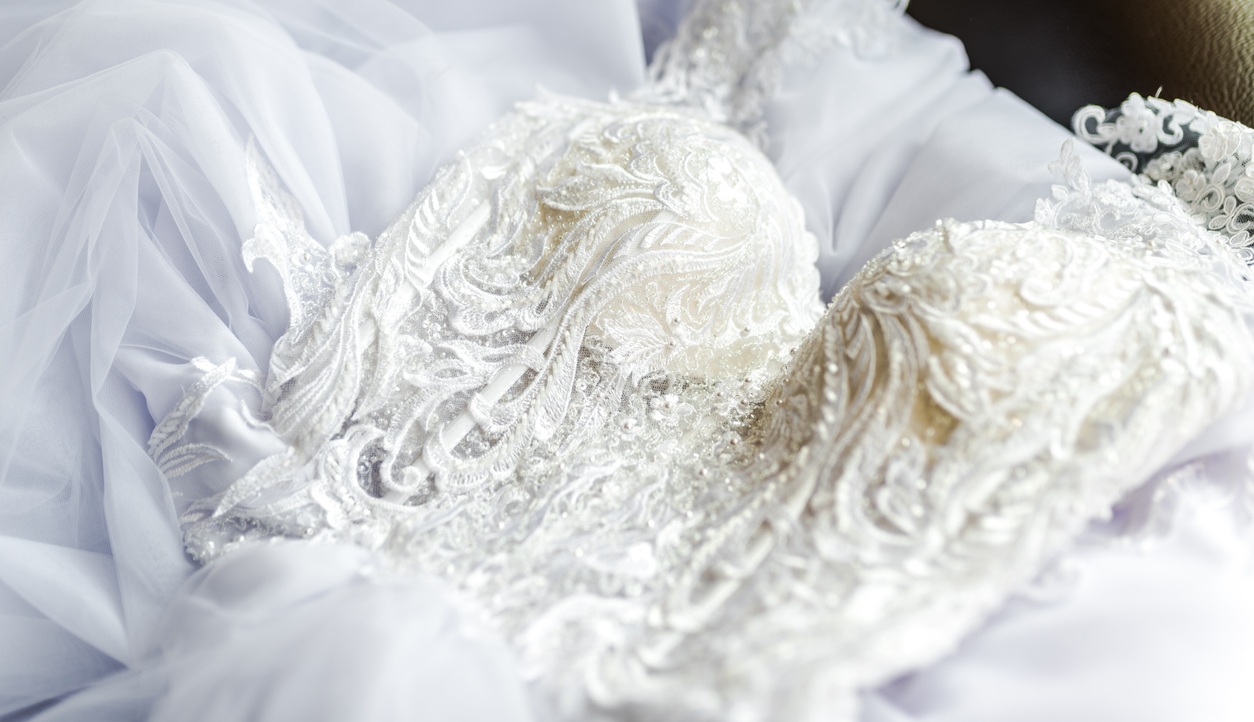
If dry cleaning is new to you, it’s completely normal to have questions. You’re probably used to tossing clothes into a washing machine, so the idea of cleaning them without water can be unusual. You may even wonder what actually happens after you drop off your garments at the counter.
Dry cleaning is designed specifically for fabrics that don’t respond well to water and regular washing. Instead of risking shrinkage or damage, the process focuses on cleaning while protecting the shape, color, and texture of the garment. Once you understand why the method works this way, you’ll feel more comfortable relying on it.
Let’s start with how to prepare your garments, then take a closer look at what happens behind the scenes.
How to Sort and Inspect Your Garments Before Dry Cleaning
Preparing your garments before taking them to a dry cleaner plays a big role in the final outcome. A quick review at home allows you to catch potential issues early and avoid irreversible damage.
Thoughtful preparation also helps ensure each piece receives the most appropriate care once it enters the dry cleaning process. Taking a few extra minutes protects your clothing investment and supports better long-term care for your garments.
Here’s a simple guide to getting your items ready.
1. Review the Care Instructions Inside Each Garment
Start by checking the manufacturer’s care tag. These labels provide specific cleaning guidance based on fabric composition and garment construction.
- “Dry Clean Only” – This indicates the fabric or structure may shrink, distort, or weaken in water.
- “Dry Clean Recommended” – Water washing may be possible, but solvent cleaning offers safer results.
- “Do Not Dry Clean” – Inform your cleaner if you are unsure about alternative methods.
Garments made from blended materials, such as a wool jacket with a silk lining, often benefit from dry cleaning, even if only one fabric requires it.
Helpful Tip: When in doubt, choose the method that protects the most delicate fabric in the piece.
2. Examine for Stains, Spots, and Fabric Concerns
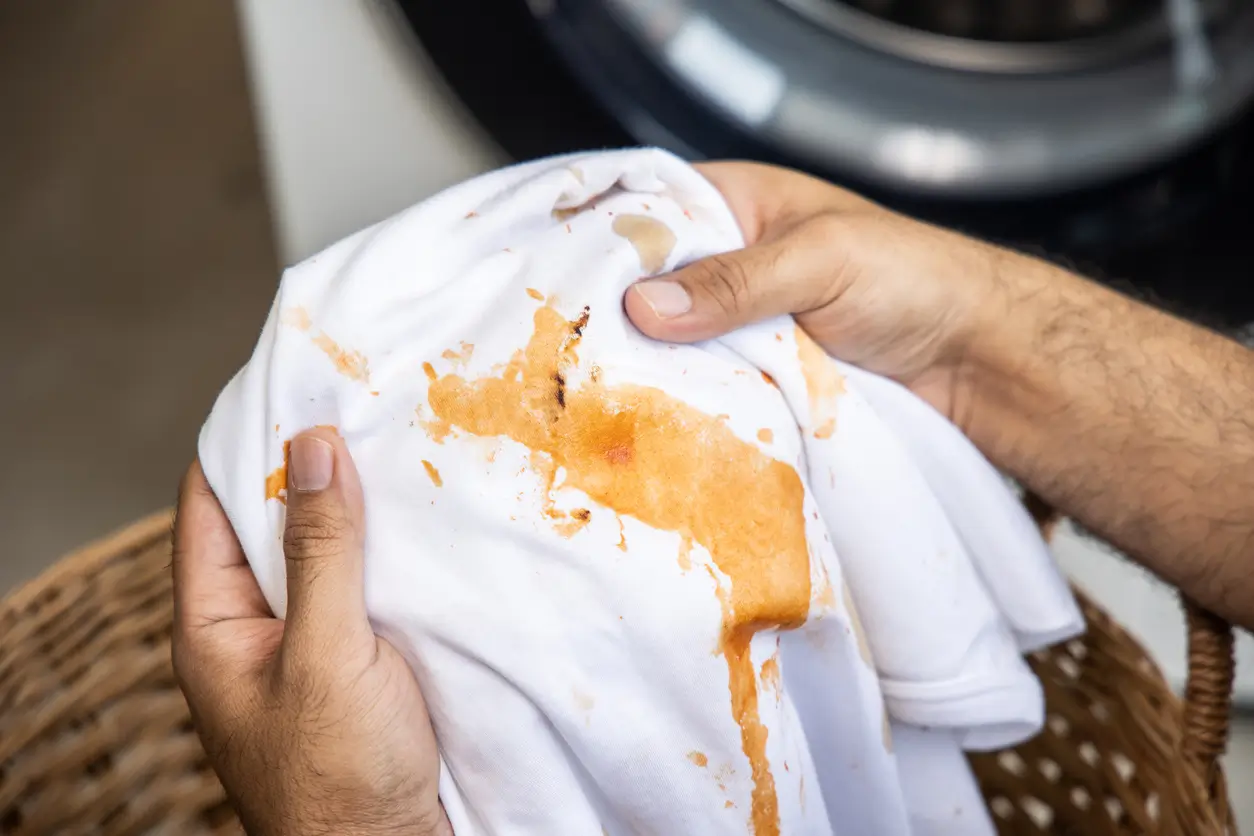
Before placing items into a bag, give each garment a brief visual inspection under good lighting. Identifying issues early allows your cleaner to treat stains more precisely.
Pay attention to:
- Food and beverage spills
- Makeup or oil marks
- Sweat discoloration
- Ink or dye transfer
If possible, mention what caused the stain and when it occurred. That detail helps technicians select the right cleaning agents.
Also check for:
- Missing buttons
- Loose stitching
- Small tears
- Damaged zippers
Many cleaners offer minor repairs, but it is best to discuss these needs at drop-off.
Important: Avoid attempting stain removal with household cleaners. Improper treatment can permanently set the stain or alter the fabric texture.
3. Remove All Items from Pockets
Overlooked pocket contents are one of the most common causes of cleaning problems.
Before heading to the cleaner, check:
- Jacket interiors
- Shirt chest pockets
- Trouser and coat pockets
Remove:
- Pens
- Tissues
- Coins
- Keys
- Lip balm
Even small objects can leave residue, create new stains, or damage delicate materials during cleaning.
Simple Reminder: Make pocket-checking part of your regular routine before every drop-off.
4. Separate by Fabric Weight and Color
While professional cleaners sort garments again, organizing items at home helps you stay mindful of their specific care needs.
- Light-colored garments – More susceptible to color transfer.
- Dark fabrics – May release dye if not processed correctly.
- Delicate materials – Silk, lace, rayon, fine wool.
- Heavier items – Coats, structured suits, denim.
If you are cleaning a matching set, such as a suit jacket and trousers, take the pieces together so they can be cleaned in the same batch for consistent color and finish.
5. Remove Surface Lint and Pet Hair
Dry cleaning focuses on removing soil and stains, but heavy lint or pet hair may not fully disappear during the solvent cycle.
Before drop-off:
- Use a lint roller or brush
- Lightly wipe with a damp microfiber cloth for embedded hair
This small step helps improve the overall appearance of the garment after pressing.
6. Present Garments Neatly
The way you transport your clothing matters. Taking garments in good condition helps the cleaner inspect and process them more efficiently.
- Hang structured pieces such as suits and dresses
- Fold knitwear carefully to prevent stretching
- Avoid tightly stuffing clothing into bags
If your cleaner provides reusable garment bags, use them to keep items organized and protected.
7. Share Special Instructions Clearly
Clear communication supports better outcomes.
At drop-off, mention:
- Specific stains and their source
- Odors that require deodorizing
- Repair requests
- Pressing preferences
Many cleaners offer environmentally friendly cleaning options. If sustainability matters to you, ask about available alternatives. And before leaving the counter, take a moment to review your order details.
8. Confirm Order Details and Pickup Timing
Clear communication at pickup prevents misunderstandings and ensures a smooth return of your garments.
When you receive your receipt:
- Verify all items are listed correctly
- Confirm the pickup date
- Ask about turnaround time for specialty pieces
Taking a few extra seconds to confirm these details helps prevent scheduling issues and missing items.
Once you bring garments home, remove plastic covers promptly so fabrics can breathe and prevent moisture buildup. Proper airflow keeps your freshly cleaned clothing in excellent condition until its next wear.
How Dry Cleaning Works: The Complete Process
When you drop off your clothes at a professional cleaner, you expect them to come back clean, pressed, and looking their best. Understanding how dry cleaning works helps explain why professionally cleaned garments often look better and last longer than clothes washed at home.
Instead of water, dry cleaning uses a special solvent that removes oils and dirt while being gentler on delicate fabrics. The dry cleaning process follows a careful step-by-step method designed to clean each piece thoroughly without changing its shape or damaging the material.
Step 1 – Intake Review and Garment Identification
Your garment’s journey begins with a detailed inspection. This first step sets the direction for the entire dry cleaning process.
When you take in your clothing, dry cleaning professionals evaluate:
- The fabric type and care label instructions
- The garment’s construction and lining
- Any visible stains or discoloration
- Areas of stress, such as seams, cuffs, or closures
Each item receives a unique tag so it stays properly identified throughout cleaning. This tracking system ensures your garments remain organized and return to you without confusion or mix-ups.
Step 2 – Targeted Stain Treatment
Before your clothing enters the cleaning machine, specialists treat noticeable stains by hand. This preparation step plays a major role in the success of the final result.
Dry Cleaning Professionals:
- Identify the type of stain (oil-based, protein-based, dye-related)
- Select a treatment solution suited to that stain
- Apply the solution carefully to protect the surrounding fabric
Because dry cleaning relies heavily on chemistry, accurate stain treatment improves the likelihood of complete removal, especially for concentrated or older marks.
Step 3 – Solvent Immersion Cleaning
This stage forms the core of the dry cleaning process. Instead of washing your clothes in water, professionals place them inside a specialized machine that circulates a cleaning solvent.
This method provides important benefits for your garments, such as:
- Reduced risk of shrinkage
- Protection for structured pieces such as suits and dresses
- Effective removal of oils and grease
- Improved color stability
The machine gently moves your garments while the solvent dissolves residue. Built-in filtration systems capture dirt particles, and modern equipment recovers and purifies the solvent for reuse. This controlled system is central to how dry cleaning safely cleans delicate clothing.
Step 4 – Controlled Drying
After the cleaning cycle is complete, the machine removes any remaining solvent from your garments. This isn’t high-heat drying as you might use at home.
Instead, the process is carefully regulated, including:
- Temperature
- Airflow
- Drying duration
This controlled approach eliminates leftover solvent while protecting fibers from stress. Proper drying stabilizes your garments and prepares them for professional finishing.
Step 5 – Professional Finishing and Reshaping
Once your clothing is clean and dry, it moves to the finishing stage. This is where your garments regain their polished, ready-to-wear appearance.
Dry cleaning professionals may:
- Hand-press jackets and tailored items
- Use steam to reshape dresses and blouses
- Restore pleats and sharp creases
- Smooth delicate materials with specialized equipment
This craftsmanship sets apart professional dry cleaning from basic washing. Finishing restores structure, improves comfort, and enhances the overall look of your clothing.
Step 6 – Final Review and Preparation for Pickup
Before your garments are packaged for return, technicians complete a final quality inspection.
They check:
- That stains have been fully removed
- The consistency of pressing
- The overall appearance and condition
If something needs additional attention, they address it before you receive your clothing. This last step ensures the entire dry cleaning process meets professional standards and your expectations.
Take Your Clothes to Snappy Dry Cleaning and See the Difference
With a better understanding of the process, you can feel confident choosing a cleaner who truly cares for your clothes. The proper equipment, right cleaning solution, and careful handling can make a real difference in how your garments look and how long they last.
At Snappy Dry Cleaning, we proudly serve Williamsville, New York, and Grand Island, New York with dependable, high-quality garment care. We use DF-2000™, an advanced hydrocarbon cleaning solution that removes stains effectively while remaining gentler on fabrics, helping preserve color, softness, and structure.
Our certified cleaning specialists follow a complete dry cleaning process that includes thorough inspection, targeted stain treatment, expert pressing, and final quality review. With convenient locations and FREE Pickup and Delivery Service, we make professional dry cleaning simple, safe, and reliable.
Have questions about a specific item or ready to schedule service? Contact us today.